Which Fertilizer Ratio is Best for You?
 In our last blog post, we touched on a few of the primary ingredients that are in fertilizer and what it is that they provide to your lawn. While these ingredients are pretty common and you can expect to find them in just about any fertilizer that you purchase, the difference between fertilizers begins when ratios of these ingredients are created. Since every ingredient provided something different for a plant, the different ratios of these ingredients can be used to create fertilizers that are better used in certain situations than others. Today we are going to go over some of the more common ratios and what types of situations they are best suited for.
The three primary ingredients that make up every ratio are going to be nitrogen, phosphorus and potassium, which is where the N-P-K ratio comes from. All fertilizers will use a three number rating system that will follow the N-P-K ratio, so when you look at fertilizer you can see what percent of each ingredient will be in the bag. For instance there are fertilizers that are 15-15-15 and others that are 21-7-14. Depending on what purpose the fertilizer was designed for, the ratio will differ.
The Perfect Ratio for Your Grass
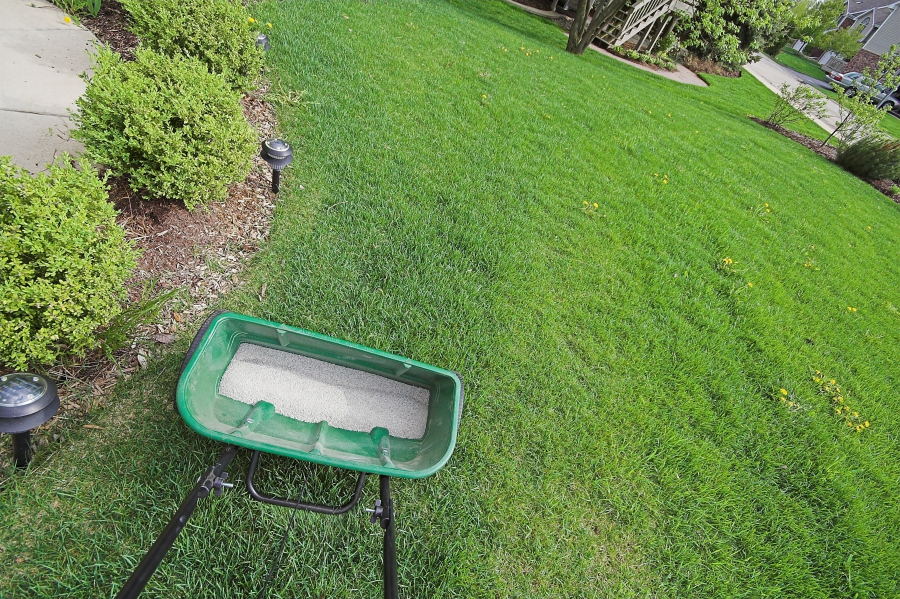
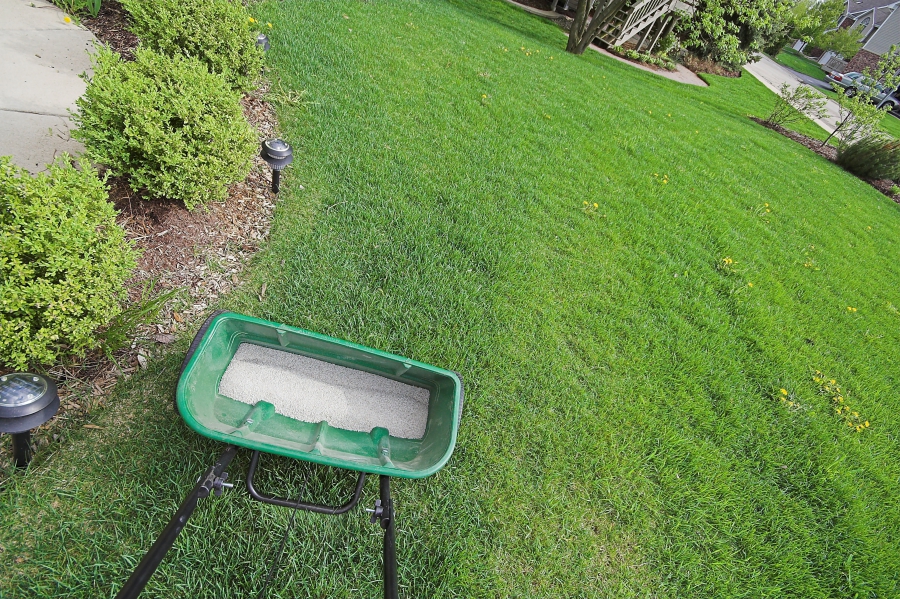
Grass requires entirely different nutrients than most plants in order to grow and maintain a good green color and a full body feel. When you look at ratios of fertilizers for your grass, you’re going to want to make sure the sequence of numbers goes big-small-small. An example of this would be 21-3-3. Grass requires a lot of nitrogen in order to maintain this health, so it’s important that the ratio of is always higher in nitrogen than the other ingredients.
 A Fourth Number Every Once in Awhile
While the ratio of your fertilizer is incredibly important, it’s not going to be the only number that matters when you look at your fertilizer. You may notice that when you look at the ratio of your fertilizer you may see that there is a fourth number listed. This number could be a representative of a different mineral or nutrient that is potent enough for the creators of this fertilizer to feel the need to place it on the exterior of the bag. This could simply be trace minerals that are making up the additional part of the fertilizer. These trace materials won’t make a huge difference to the work the fertilizer is doing, but it is always worth asking a professional to make sure that the condition of your grass won’t stoop because of it.
If you’re looking for more information on a fertilizer that will work for your gorgeous lawn, you can count on the team at Kern Turf to provide you with that guidance. Call our office or stop in so that we can work with you to get a better idea of what types of nutrients your lawn needs to thrive. As always, make sure to stay updated with our blog post so that you can continue to learn more care techniques for your yard and various other topics regarding landscaping and your yard.