The Inner Mechanics of an Electric Solenoid Valve
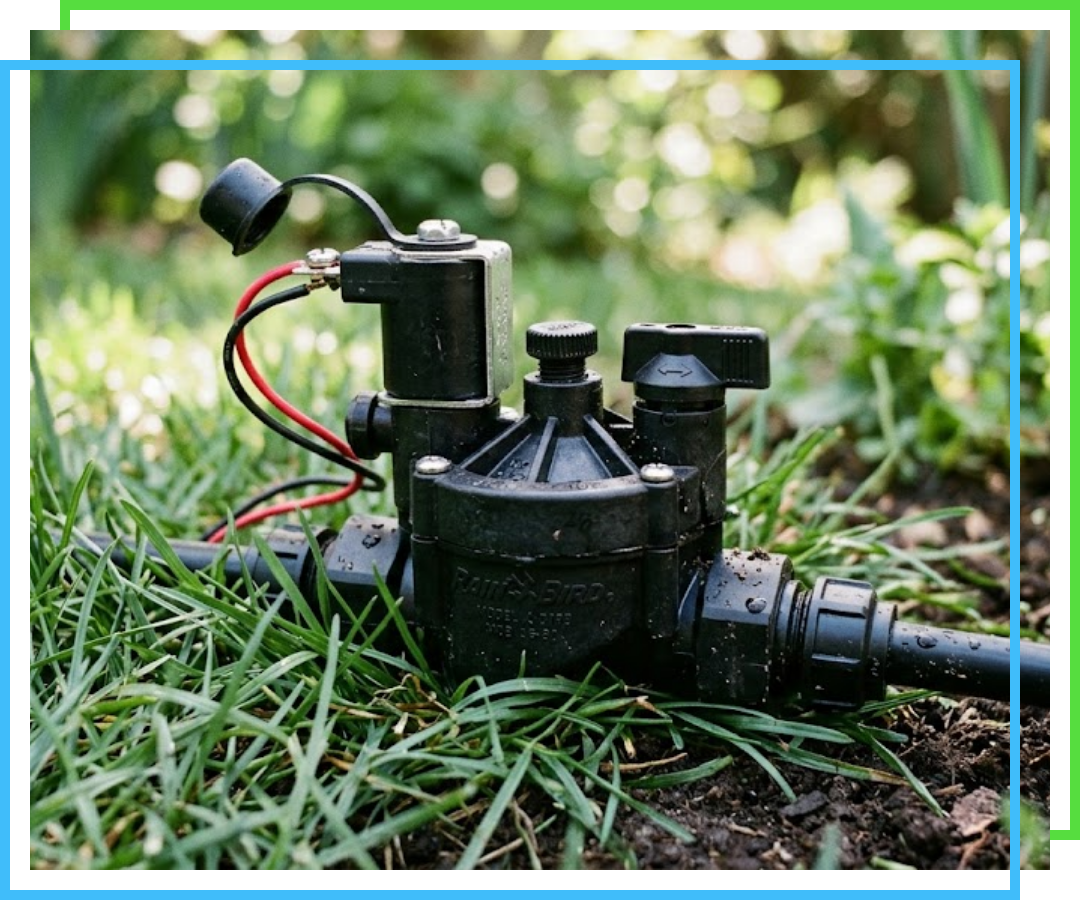
Electric irrigation valves serve as automated floodgates for your entire watering system. When your timer sends a low-voltage electrical signal to the valve, an internal solenoid lifts a small plunger, causing water pressure inside the upper chamber to vent. This shift in pressure allows the flexible rubber diaphragm to open and distribute water freely. Once the cycle ends, water pressure equalizes, pushing the diaphragm back down to stop the flow completely.
Stuck Valves: Continuous Water Flow and Puddling
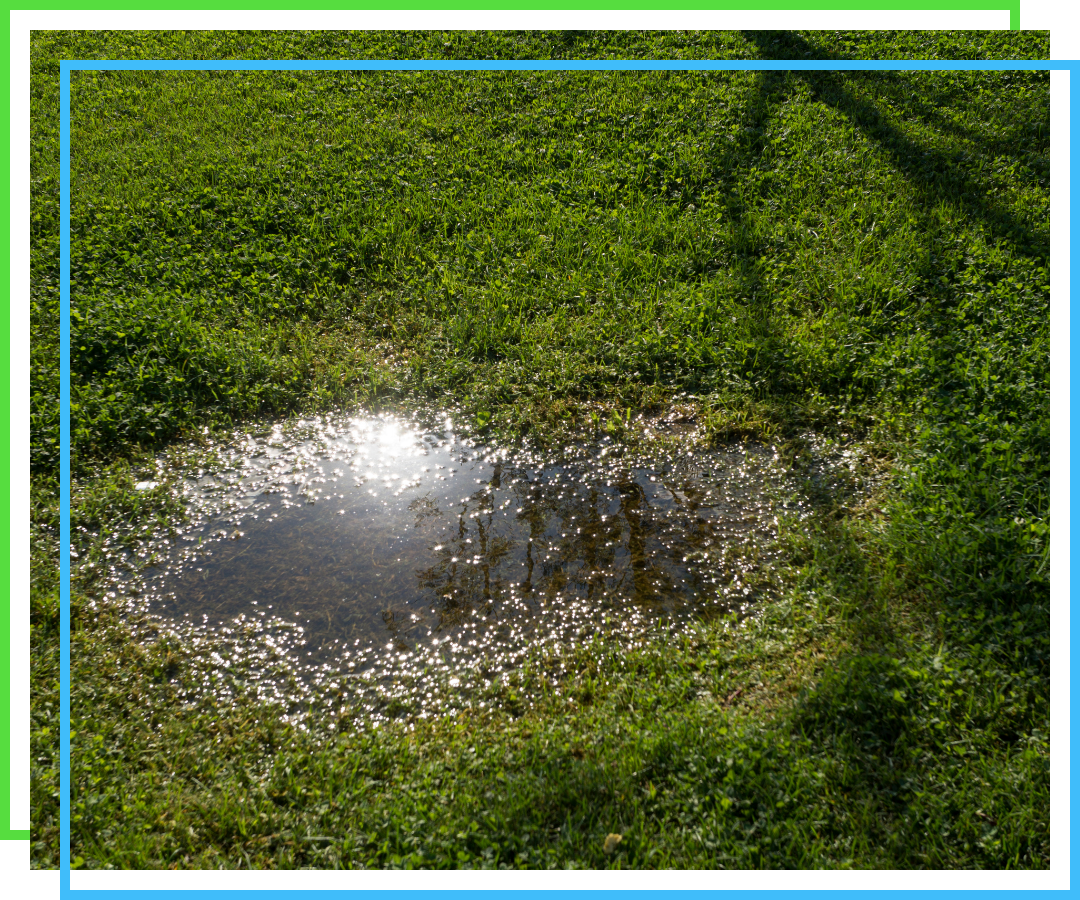
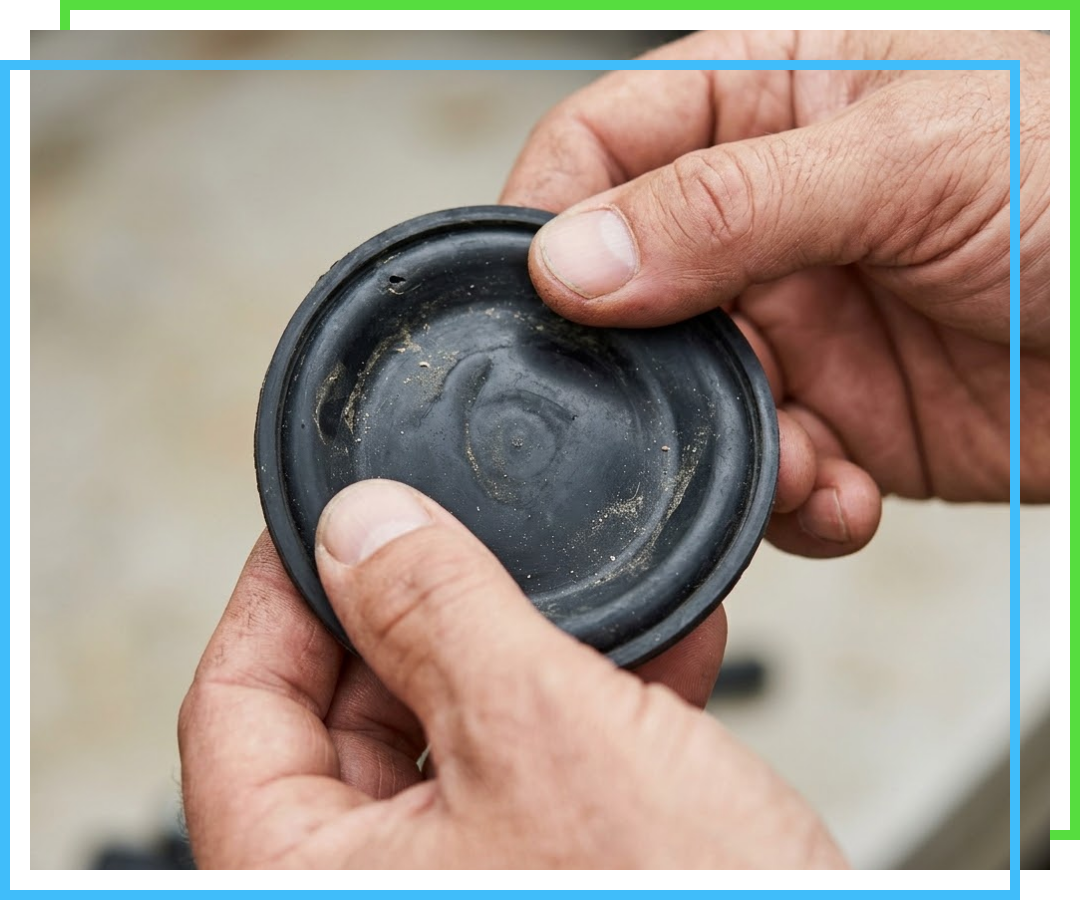
One of the clearest signs of valve failure is a watering zone that refuses to turn off, resulting in continuous flooding around sprinkler heads. Small debris, sand, or mineral deposits often lodge underneath the internal diaphragm, preventing it from sealing closed tightly. When this happens, our team recommends flushing out the internal assembly or installing fresh valve parts to eliminate continuous leakage and reduce high utility bills.
Electrical Solenoid Failure and Inactive Watering Zones
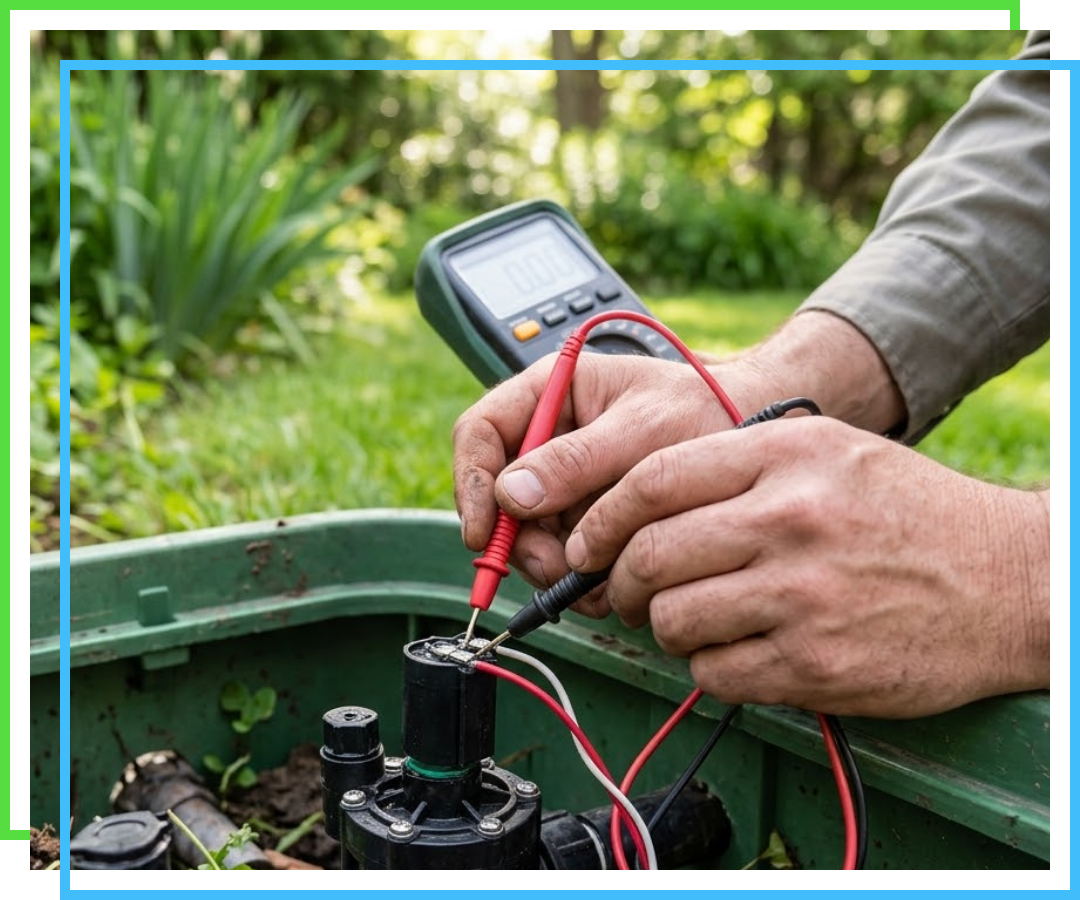
If a designated lawn zone fails to turn on during a scheduled cycle, electrical issues are frequently to blame. Corroded wiring, bad splices, or a burned-out solenoid coil will prevent the electrical current from opening the valve diaphragm. At Kern Turf Supply, we suggest inspecting wire connectors and checking voltage levels to determine whether simple wiring maintenance or a full solenoid replacement is necessary.
Diaphragm Wear, Tear, and Pressure Fluctuations
Constant exposure to water pressure, chemical treatments, and outdoor temperatures eventually wears down internal rubber diaphragms. A cracked or ruptured diaphragm causes sudden pressure drops across sprinkler heads or noticeable pressure surges near irrigation pumps. Regularly checking internal valve components for physical wear prevents widespread damage across your broader irrigation equipment and protects your landscape investment.
Physical Cracks and External Valve Box Leaks
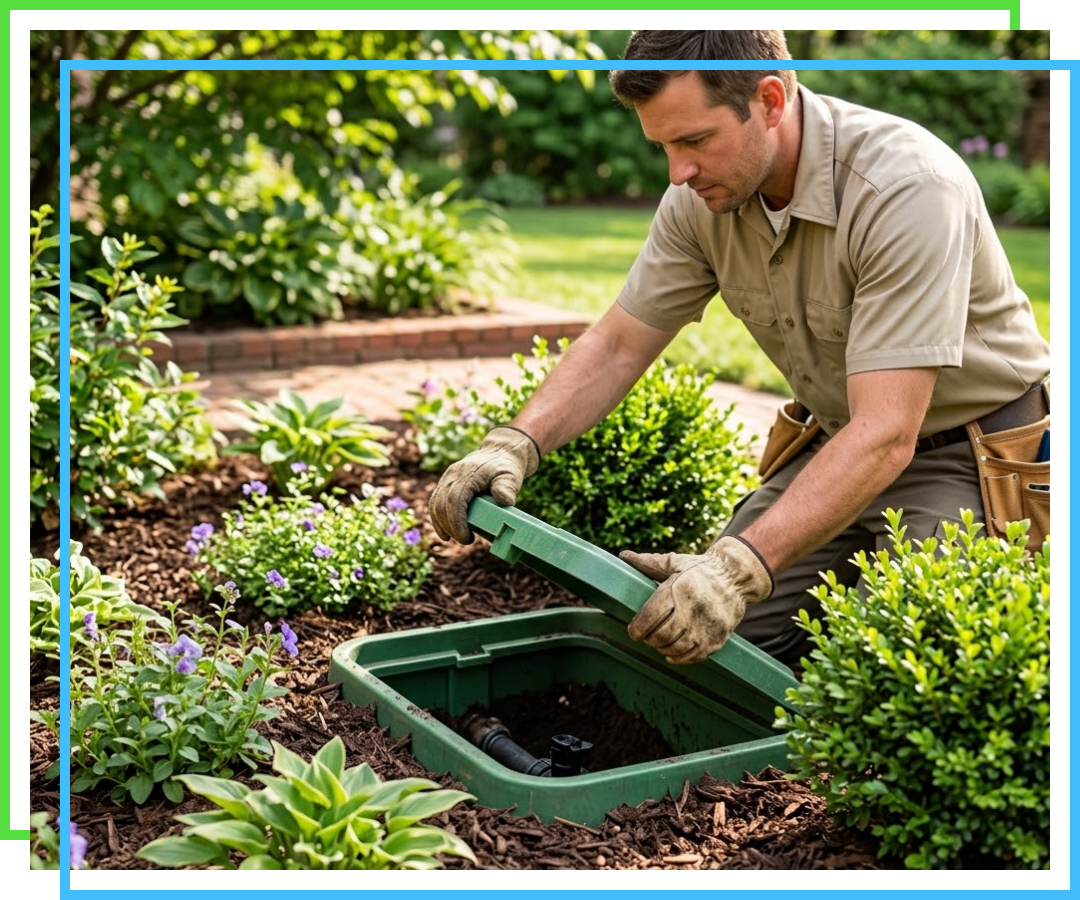
Freezing temperatures, soil shifting, and physical impacts can cause the external valve body or bonnet to crack, leaking water directly inside the valve box. Even small body fractures can severely impair water distribution throughout your entire irrigation setup. Inspecting your valve boxes seasonally allows you to catch external cracks early, ensuring your irrigation system retains consistent operating pressure all season long.
Understanding the mechanics behind your irrigation valves makes it simple to troubleshoot minor issues before they turn into expensive property damage. Whether you need diagnostic help for stuck diaphragms, heavy-duty replacement components, durable irrigation pumps, or specialty irrigation equipment, having high-grade parts is essential. At Kern Turf Supply, we take pride in offering premium irrigation supplies in Bakersfield alongside trusted technical expertise for all your irrigation repair needs. Visit our Bakersfield location today or explore our extensive inventory online to keep your landscape healthy, vibrant, and perfectly watered.